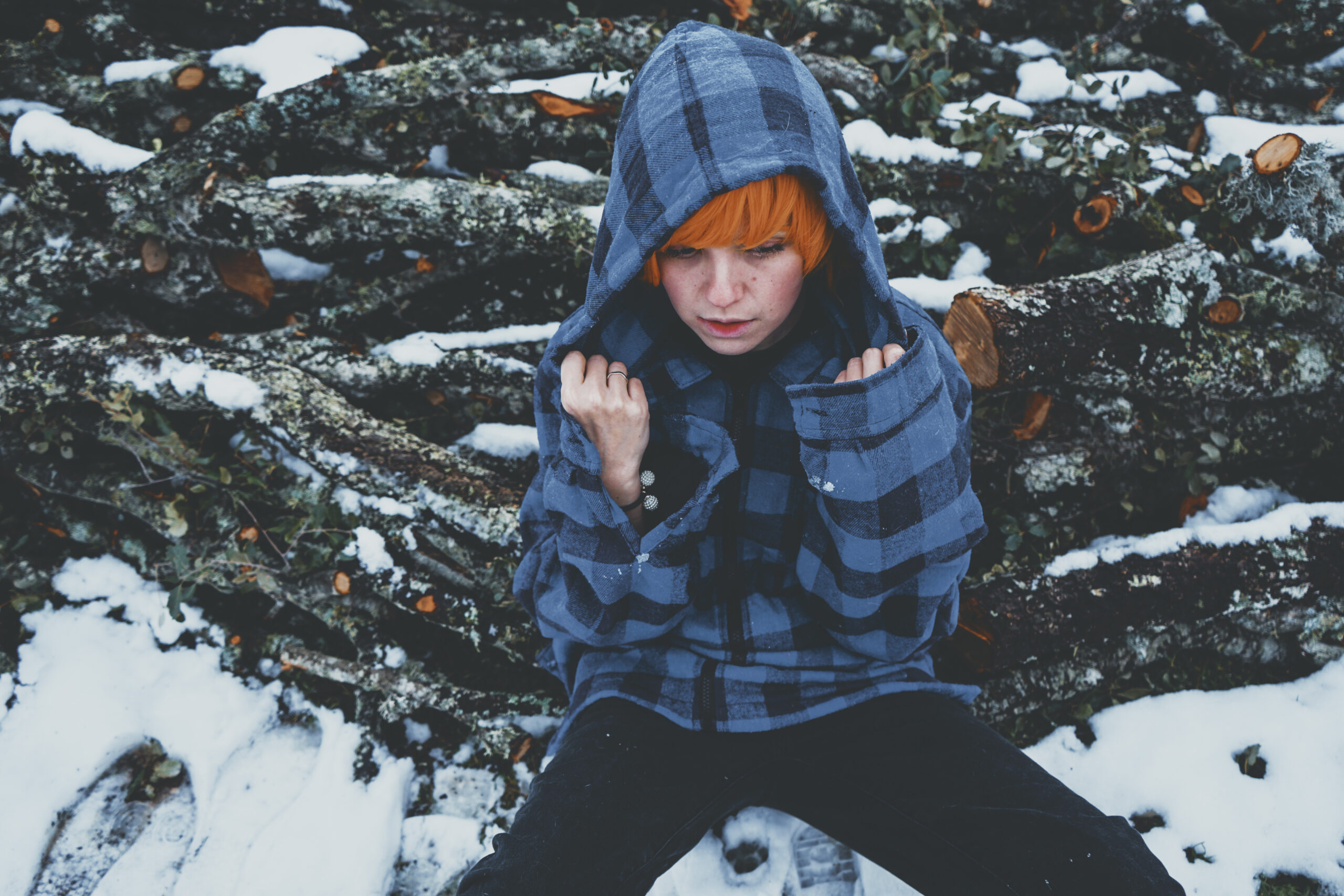
The clocks fell back on November 1 this year. Within a few weeks, sunset in the Harrisburg area lands around 4:40 in the afternoon. For a lot of Central PA teens, that means leaving for school near sunrise, sitting indoors all day, and walking out of practice or a part-time job in full darkness.
It’s no coincidence that this is when many parents start noticing a shift. More time in their room. Harder mornings. Shorter fuses. Less spark. The teen winter blues are real, and they’re often misread. At EPIC Counseling Solutions, our teen counselors Rachel Moyer and Courtney Carney see this pattern every year, and understanding it changes how families respond.
“They’re Just Being Lazy” Is Usually the Wrong Read
The most common misread of the teen winter blues is laziness or attitude. A teen who can’t get out of bed, drags through homework, and snaps at siblings looks unmotivated from the outside.
Usually, something more physical is going on. Daylight helps regulate the body’s internal clock, sleep hormones, and mood. Teen body clocks already run late, which is why teens naturally want to stay up late and sleep in. Dark mornings push against that clock even harder. The result is a teen who’s chronically underslept, low on light, and short on energy. That’s not a character problem. It’s biology plus a winter schedule.
Seeing it this way matters, because lectures about effort rarely fix it. Changing the conditions often does.
The Season-Ending Crash
There’s another local pattern worth naming. Fall sports seasons wrap up in November, and for athletes, the drop can be surprisingly hard. Daily practice, team connection, structure, and hours of outdoor movement disappear almost overnight, right as daylight shrinks.
Rachel specializes in working with student-athletes, and she sees how much identity and routine are tied up in a season. If your teen’s mood dipped the week after their last game, that timing likely isn’t a coincidence.
Try a “Light Audit” This Week
Here’s a simple exercise we suggest to families. For one school day, have your teen estimate how many minutes they spent in actual daylight. Not near a window. Outside.
Many teens are surprised to find the answer is close to zero on a winter weekday. The bus or car ride happens at dawn. Classes are indoors. By the time school, practice, or a shift ends, the sun is down. Seeing that number turns a vague “I feel off” into a concrete, fixable problem.
Winter Blues or Something More?
For most teens, the winter blues are a mild, frustrating dip that improves with the everyday changes below. For some, the seasonal pattern runs deeper. If your teen’s mood drops significantly each winter and lifts in spring, and the low stretch includes persistent sadness, loss of interest in things they love, big sleep or appetite changes, or hopelessness, that pattern deserves a professional conversation. Seasonal patterns of depression are recognized and treatable. You don’t need to label it yourself. You just need to notice the pattern and ask.
What Actually Helps
Chase morning light. Even 15 to 20 minutes outside helps, and earlier is better. A walk to the bus stop, a morning dog walk, or breakfast by the brightest window all count. Overcast Pennsylvania daylight still beats indoor lighting by a wide margin.
Protect the sleep schedule. Consistent wake times, even on weekends, protect mood more than almost anything. Phones out of the bedroom overnight make a real difference.
Replace what the season took away. If fall sports ended, help your teen find winter movement: a gym routine, a winter sport, rec league basketball, or regular walks with a friend.
Plan in-person connection. Winter isolation feeds low mood. Rides to see friends are worth the effort.
Give winter a purpose. A job, project, or goal gives dark months a rhythm. Teens with something to work toward handle the season noticeably better.
How Parents Can Help Without Hovering
- Name it without judgment: “Winters seem harder for you. That’s really common, and we can work with it.”
- Make the healthy choice the easy one, like a morning walk together or rides to the gym.
- Track the trend, not the day. One rough Tuesday is a Tuesday. Three low weeks is a pattern.
- Model it yourself. Your own sleep and daylight habits teach more than reminders do.
When to Reach Out
Consider teen counseling if the winter dip comes with sadness or irritability lasting more than two weeks, withdrawal from friends, sliding grades, big sleep or appetite changes, or any expression of hopelessness. Counseling gives teens practical tools and a space to talk openly without having to perform. Rachel and Courtney work with Central PA teens on exactly this every winter, and earlier support usually means a shorter hard season.
Spring Always Comes
The winter blues are seasonal, which means they end. But teens don’t have to white-knuckle through until March. With more light, steady sleep, movement, connection, and support when it’s needed, winter can become something your teen manages rather than something they endure.
If your teen struggles when the days get shorter, contact EPIC Counseling Solutions to schedule a consultation with Rachel or Courtney. Schedule in seconds and start sessions within a week.
Rachel Moyer, M. Ed, MS, LPC, CAADC is a Licensed Professional Counselor with nearly a decade of experience supporting teen mental health. Courtney Carney, MSW, LCSW is a Licensed Clinical Social Worker specializing in kids and young adults navigating anxiety, depression, and life’s formative seasons. Both provide teen counseling at EPIC Counseling Solutions in Camp Hill, PA. To learn more or schedule a consultation, visit epiccounselingsolutions.com or call 717-966-6847.